August 28, 2026

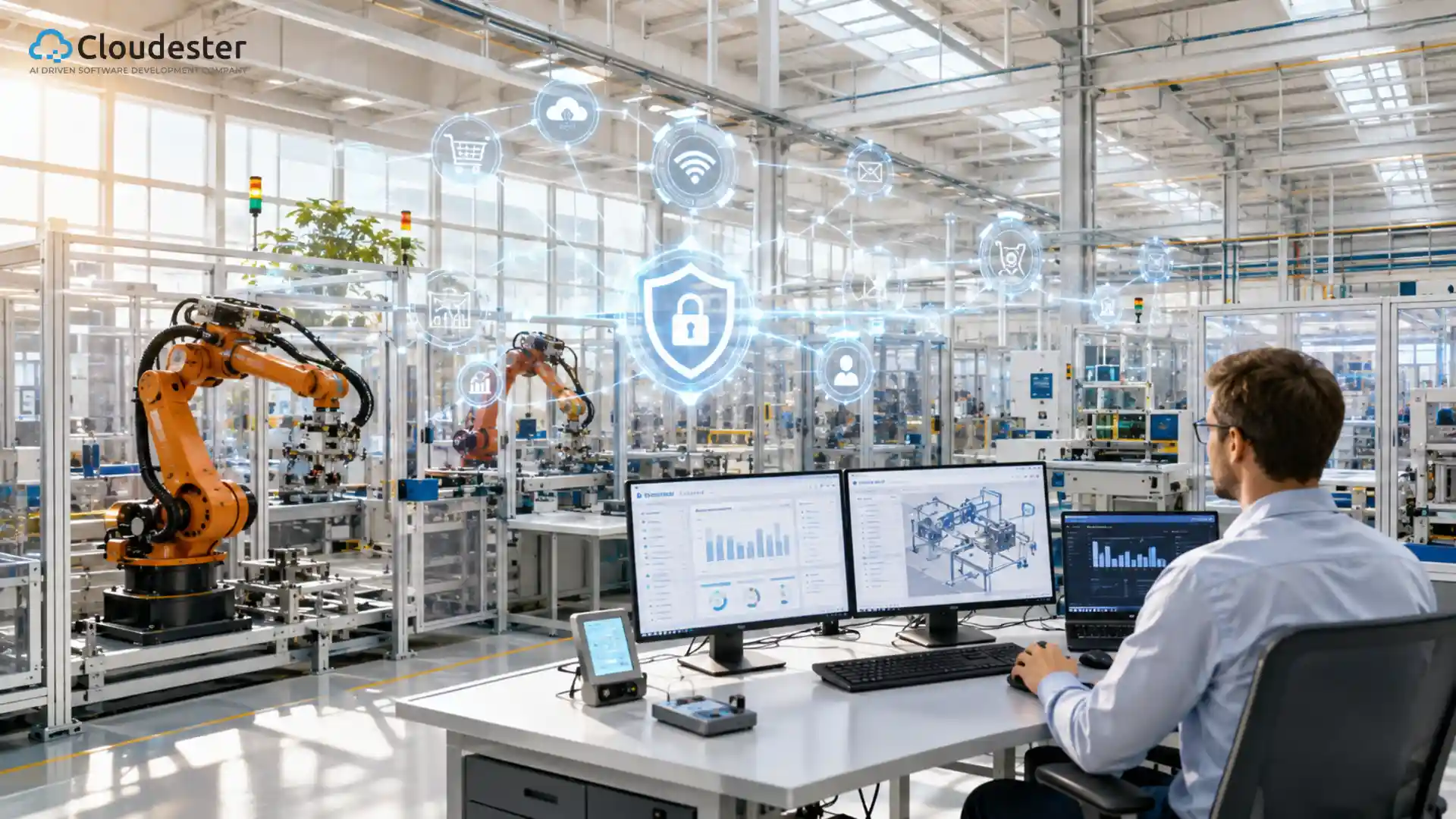
AI Generated. Credit: Google Gemini
The benefits of digital transformation are getting harder for businesses to ignore now. A few years ago, companies could still manage with slower systems and manual work. That’s not really the case anymore.
Customers expect things to work quickly. If a website feels slow or support takes too long, people usually move on without waiting around. Businesses are noticing that pressure everywhere now, especially in 2026, where competition feels much faster than before.
At the same time, employees are frustrated too. Too many companies still waste time on repetitive tasks, scattered communication, and systems that don’t properly connect with each other.
That’s why businesses are investing more in AI, automation, cloud systems, and smarter software tools. Not because it sounds impressive, but because outdated processes are becoming difficult to manage.
And businesses delaying digital transformation too long are already starting to feel the difference, and that is exactly what this blog is going to revolve around!
Digital transformation sounds like one of those business terms people throw around in meetings constantly, but the actual idea is pretty simple.
It basically means using technology to improve the way a business works.
Sometimes that means automating repetitive tasks. Other times, it means replacing older systems that slow employees down every day. A lot of businesses are also moving operations to cloud platforms because managing everything manually becomes difficult once teams grow.
Earlier, many companies relied heavily on spreadsheets, paperwork, and long email chains for everyday work. It worked for some time. Eventually, though, those systems started creating delays and confusion.
Now businesses are using:
Most people already interact with digital transformation daily without even realizing it.
When Netflix recommends something surprisingly accurate, that’s AI and data working together. When Amazon updates delivery tracking instantly, automation and cloud systems are handling a lot behind the scenes.
In the same way, digital transformation for enterprises is helping businesses simplify operations and reduce unnecessary delays that usually slow work down.
Business expectations have changed very quickly over the last few years.
Customers expect convenience almost automatically now. If an app crashes, people complain immediately. If checkout takes too long, customers leave halfway through. Even small delays frustrate users faster than businesses expect sometimes.
Competition feels different, too.
Earlier, businesses mostly worried about nearby competitors. Now, customers compare brands online within minutes. One smoother experience somewhere else is often enough for people to switch completely.
Technology is changing constantly as well. Businesses adapting earlier usually avoid bigger problems later because their systems become easier to manage as they grow.
The impact of digital transformation is becoming more obvious because businesses are seeing practical improvements once systems become more organized. Teams communicate faster, customers get quicker responses, and operations feel less chaotic overall.
Most companies don’t realize how much time gets wasted in outdated processes until those processes finally change.
One of the biggest benefits of digital transformation is simply saving time.
A surprising amount of work inside companies is repetitive, like updating records, sending follow-ups, tracking invoices, searching for files, sharing updates between teams, and these small things slowly eat into the day.
Most employees already know this feeling. Automation helps reduce that workload. Instead of manually handling the same tasks again and again, systems can take care of large parts of the process automatically.
That usually leads to:
Businesses using business automation tools often notice improvements fairly quickly because employees spend less time handling repetitive admin work.
Customer expectations are honestly exhausting now.
People expect websites to load instantly, apps to work properly, and customer support to reply quickly. If something feels frustrating, customers usually leave before businesses even realize there’s a problem.
Digital systems help improve customer experiences in practical ways:
Customers notice these improvements quickly, too. The advantages of digital transformation become very obvious once businesses start improving customer satisfaction consistently.
Businesses collect huge amounts of data now, although many companies still don’t use it properly.
Information is everywhere in terms of customer activity, website traffic, sales reports, and feedback forms. The difficult part is figuring out what actually matters.
Earlier, businesses often made decisions based mostly on assumptions. Sometimes that worked fine. Sometimes it created bigger problems later.
Digital analytics tools changed that. Now companies can identify patterns, understand customer behavior better, and spot operational issues much earlier.
This helps businesses:
Businesses investing in AI development services are also improving forecasting through predictive analytics and smarter reporting systems.
Reducing costs is another important benefit of digital transformation.
Traditional systems quietly become expensive over time. Maintenance costs increase, hardware needs upgrades, and manual operations consume more time than businesses expect initially.
Cloud-based systems changed a lot of that. Businesses using cloud computing solutions can scale much more easily without constantly investing in physical infrastructure.
Some major cloud computing benefits for business include:
For growing businesses, especially those improvements make a noticeable difference over time.
Business environments change quickly now.
A company might suddenly need to improve customer support, launch new services, or adapt to changing customer expectations much faster than planned. Older systems usually make that process slower and more frustrating.
Digital transformation helps businesses become more flexible.
Companies can:
Businesses that modernize properly usually adapt faster overall because teams spend less time struggling with outdated systems.
The long-term impact of digital transformation often includes better innovation and quicker decision-making.
Work culture has changed massively over the last few years.
Teams are now spread across cities, countries, and different time zones. Businesses needed better ways to communicate because endless email chains were becoming difficult to manage.
Cloud platforms and collaboration tools made daily work much easier.
Employees can now:
It sounds simple, but smoother collaboration saves businesses a surprising amount of time. And once communication becomes easier, teams usually become more productive naturally.
Businesses that move faster digitally usually notice the difference fairly early. Teams respond quicker, communication feels less messy, and customers tend to have a smoother experience overall.
Companies still using older systems often struggle when things suddenly need to move quickly. A process that should take ten minutes somehow turns into an entire afternoon. Most teams have dealt with that frustration at some point.
Customers notice these things too, even if businesses assume they don’t. People naturally stick with brands that feel easier to deal with.
That’s one reason the long-term benefits of digital transformation matter so much now. Businesses are not only improving operations for today. They’re trying to avoid bigger operational problems later.
Companies like Cloudester are helping businesses build systems that actually support growth instead of making work more complicated.
Healthcare has changed a lot because of digital systems. Booking appointments online used to feel unusual. Now most people expect it. Reports are easier to access, communication feels faster, and online consultations have become pretty normal for many patients.
There’s also far less paperwork compared to earlier systems, which honestly makes life easier for both hospitals and patients.
Retail businesses are using technology almost everywhere now. Inventory management is smarter, online shopping feels more personalized, and businesses understand customer behavior much better than they did earlier.
Most customers probably don’t even think about the amount of technology involved while shopping anymore. They just expect things to work smoothly.
Banking has changed massively over the last few years. Most people rarely visit branches now unless they absolutely need to.
Payments, transfers, account management, customer support — everything happens through apps and online systems now. Customers expect speed almost automatically.
Manufacturing companies are using automation and smart systems to improve production and reduce downtime. Earlier, many processes needed constant monitoring manually. Now systems can identify issues much earlier, before they become bigger problems.
Honestly, digital transformation for enterprises is affecting almost every industry now in some way, even industries that were slower to adapt initially.
Amazon built a huge part of its business around automation and cloud systems. Customers mostly notice the convenience and delivery speed, but there’s an enormous amount happening in the background to make that experience feel smooth.
Netflix completely changed how people consume entertainment. Personalized recommendations made streaming feel easier and more natural compared to traditional TV platforms.
Most users probably don’t even realize how much data is being used just to recommend the next show.
Starbucks improved convenience through mobile ordering, rewards apps, and digital payments. Small changes like that made everyday customer interactions feel much quicker.
These examples show that the advantages of digital transformation are often about making everyday experiences simpler rather than just adding more technology everywhere.
Even though digital transformation offers clear benefits, the process itself is not always smooth.
This happens in almost every business. Employees get comfortable using certain systems, so switching to something new naturally takes time. Some teams adapt quickly. Others don’t.
Businesses also hesitate because digital transformation usually requires upfront investment. Smaller companies especially worry about spending money before seeing clear results. That hesitation is understandable, honestly.
Finding professionals who properly understand AI, cloud systems, automation, and analytics is not always easy either.
That’s one reason many businesses work with companies like Cloudester to simplify implementation and avoid unnecessary mistakes during the transition.
One mistake businesses make is trying to change everything together. Usually, that creates more confusion than improvement. In most cases, gradual changes work better because teams get time to adjust properly.
Start by identifying processes that regularly slow work down or create unnecessary frustration. Most businesses already know which systems employees complain about repeatedly.
Decide what actually needs improvement first. Productivity? Customer experience? Communication? Operational efficiency? Trying to solve everything at once usually becomes messy.
Depending on business needs, companies may invest in:
The important thing is choosing systems that genuinely fit the business instead of simply following trends.
Employees need proper support while adapting to new systems. Otherwise, even good technology becomes difficult to implement properly. This part gets ignored more often than it should.
Digital transformation works much better when businesses continue improving gradually instead of treating it like a one-time setup.
Many companies also invest in professional digital transformation services because proper guidance usually saves time later.
Digital transformation is still growing quickly, and businesses are becoming more dependent on technology every year.
Over the next few years, companies will probably rely even more on:
Customer expectations will keep increasing, too. People already expect faster service and smoother digital experiences almost everywhere now.
Businesses adapting earlier will likely find it easier to stay competitive compared to companies delaying modernization repeatedly.
Because of that, digital transformation for enterprises will continue to become more important over the next few years.
The benefits of digital transformation go far beyond simply upgrading systems or adding new software.
Businesses that modernize operations usually become easier to manage overall. Communication improves, repetitive work reduces, and customer experiences become smoother without teams constantly fixing small operational issues all day.
Meanwhile, companies that still depend heavily on outdated systems often struggle once workloads increase or customer expectations start changing faster.
From AI and automation to analytics and cloud systems, digital transformation is helping businesses work in smarter and more practical ways. And honestly, businesses that start adapting earlier usually avoid much bigger problems later on.



We specialize in creating high-performance web and mobile apps, seamlessly integrating them with your existing systems to enhance user experiences and streamline business operations.
85 Delancey St, New York NY 10002, United States