March 25, 2026
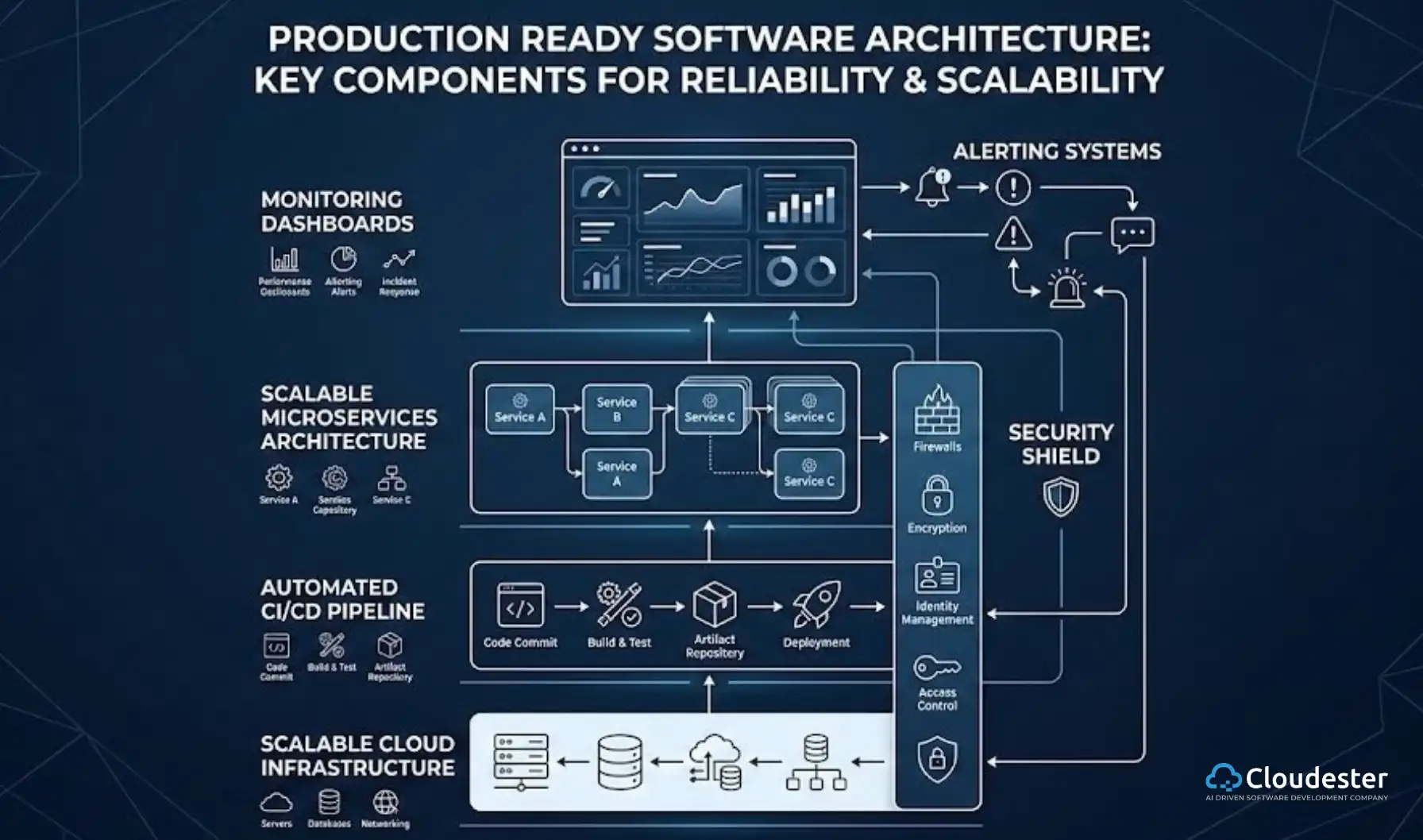
Image credit: Gemini
Most software systems perform well in testing environments. They pass internal demonstrations, meet feature requirements, and appear stable during development cycles.
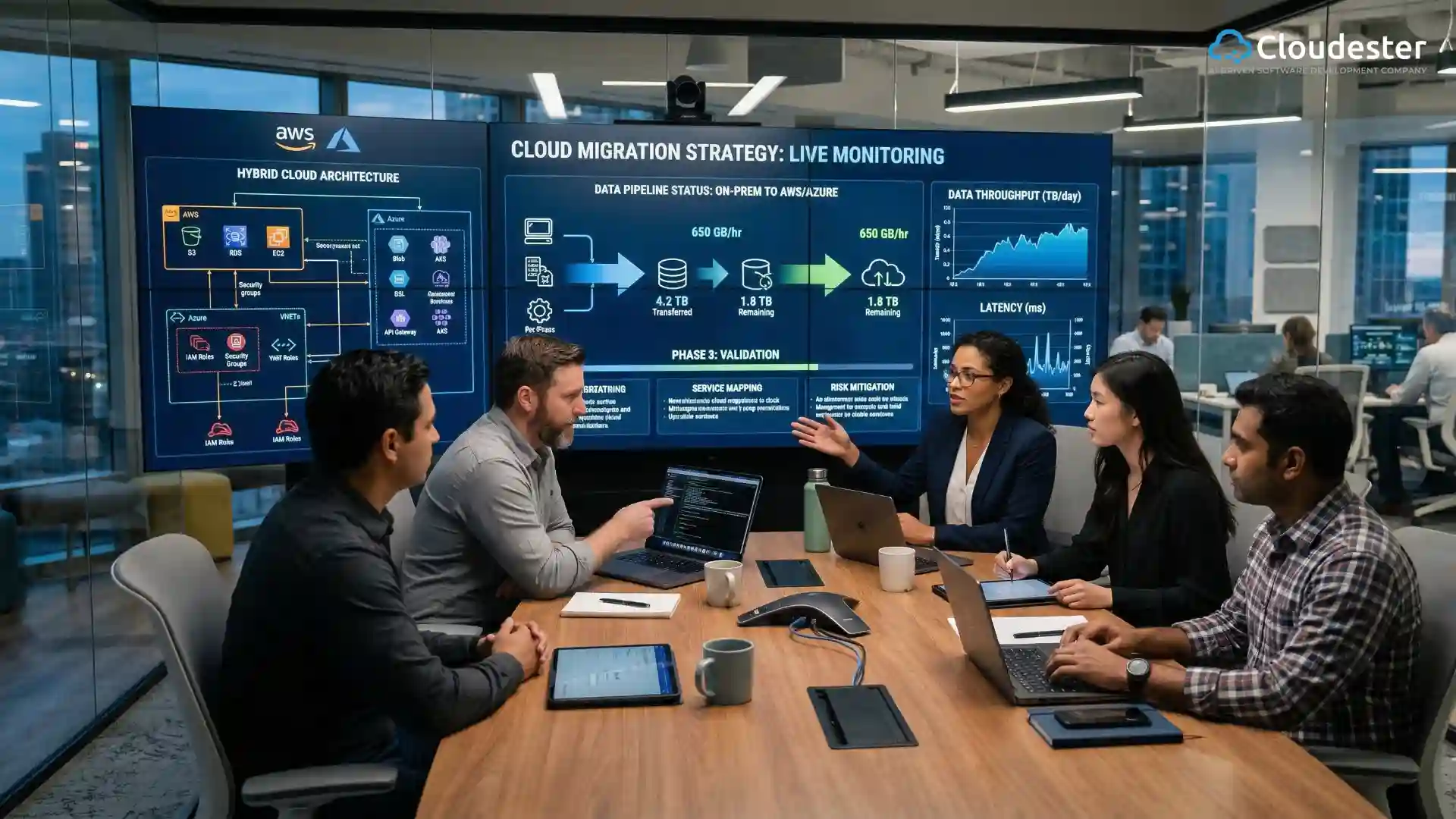
However, production environments introduce challenges that testing rarely reveals. Organizations building scalable applications often partner with an experienced software development company to ensure systems are designed for real production environments.
Unexpected user behavior, real traffic patterns, integration dependencies, and operational pressures often expose weaknesses once software goes live.
Understanding what truly makes software production ready requires looking beyond whether the code simply works.
This guide explains the key elements required to ensure production-ready software operates reliably under real world conditions.
Testing environments are controlled by design.
Developers simulate expected scenarios to validate functionality. While this process is necessary, it cannot fully reproduce the complexity of production environments.
Once software is deployed, several factors can introduce new risks.
Users interact with applications in ways that developers may not anticipate. Edge cases, unusual input patterns, and simultaneous usage can create stress on systems.
Modern applications rely heavily on external services such as APIs, payment systems, authentication providers, and data services. These integrations can fail or behave unpredictably.
Under real workloads, systems may experience slow response times, memory pressure, database contention, or infrastructure limits.
Production systems must handle real data and real users. Without proper safeguards, vulnerabilities may expose sensitive information or compromise system stability.
Because of these factors, software that performs well in testing environments may still encounter operational challenges in production.
Functional code is only one part of a reliable system.
Production ready software includes the operational capabilities that allow teams to monitor, maintain, and evolve systems safely.
Several foundational components support production readiness.
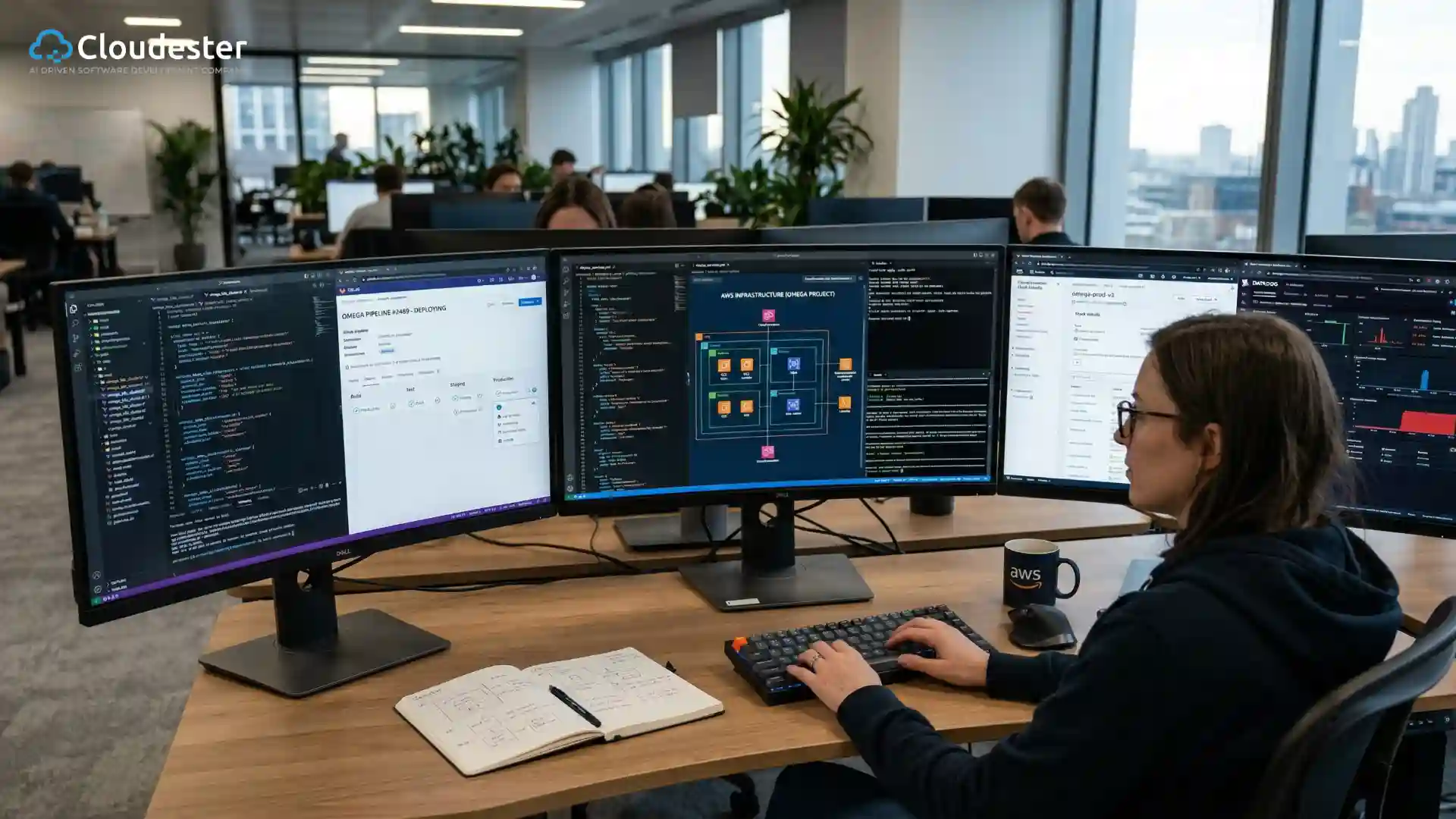
Monitoring tools allow teams to observe system behavior in real time.
Metrics, logs, and traces provide visibility into system performance, user activity, and potential issues. This visibility enables teams to detect problems early and understand how systems behave under load.
Industry frameworks such as Google Site Reliability Engineering (SRE) emphasize the importance of monitoring, observability, and incident response in production systems.
Reliable systems rely on automated deployment processes rather than manual updates.
Continuous integration and continuous deployment pipelines allow code changes to be tested, verified, and deployed consistently across environments.
Automation reduces human error and ensures repeatable releases.
Even well tested deployments can introduce unexpected issues.
Production ready systems include rollback mechanisms that allow teams to quickly revert to a stable version if problems arise.
This capability minimizes downtime and protects users from disruption.
Production environments must protect sensitive data and system access.
Security practices typically include access control policies, credential management, encryption, vulnerability scanning, and regular audits.
These practices help reduce the risk of unauthorized access and data breaches.
Every production system should have clear ownership.
Responsible teams must monitor system health, respond to incidents, and maintain operational stability.
Without defined ownership, problems can persist longer than necessary.
Launching software is not the end of the development process.
Once systems are deployed, teams must manage ongoing operations, maintenance, and improvements.
Many companies strengthen production reliability by scaling their teams with staff augmentation services to support DevOps, monitoring, and post-launch maintenance.
Organizations should establish procedures for identifying and resolving system incidents quickly.
Incident response plans define communication protocols, troubleshooting steps, and escalation paths.
Dependencies, libraries, and infrastructure components evolve over time. Regular maintenance ensures systems remain secure and compatible.
Engineering teams rely on a combination of modern software technologies to design scalable architectures and maintain reliable production environments.
Production ready systems must also support growth.
As businesses expand, software systems must adapt to increased usage, new features, and additional integrations.
Scalable software architecture allows systems to:
Systems designed only for short term delivery often require expensive redesigns as organizations grow.
Modern production systems rely on scalable cloud infrastructure services to maintain availability and performance under unpredictable workloads.
Before releasing software into production, teams should evaluate whether the following elements are in place.
This checklist helps teams identify risks before they affect real users.
Organizations increasingly rely on software to support operations, customer experiences, and strategic growth.
Systems that are not production ready can lead to:
By prioritizing production readiness, organizations can build software systems that remain reliable, secure, and adaptable over time.
Software development often focuses on building features quickly and releasing new functionality.
However, production readiness requires a broader perspective.
Reliable software depends on monitoring systems, deployment processes, security practices, operational ownership, and scalable architecture.
Understanding these principles helps technology leaders ensure their software systems perform reliably when it matters most.
For a deeper understanding of delivery processes, you may also explore how software development companies work.
Production ready software refers to applications that include monitoring, deployment automation, security controls, and operational processes necessary to run reliably in real-world environments.
Software often fails after deployment because production environments introduce unpredictable factors such as real user behavior, third-party failures, and performance load.
Common monitoring tools include Prometheus, Datadog, New Relic, and Grafana, which help teams track system performance and detect incidents quickly.

We specialize in creating high-performance web and mobile apps, seamlessly integrating them with your existing systems to enhance user experiences and streamline business operations.
85 Delancey St, New York NY 10002, United States