March 25, 2026
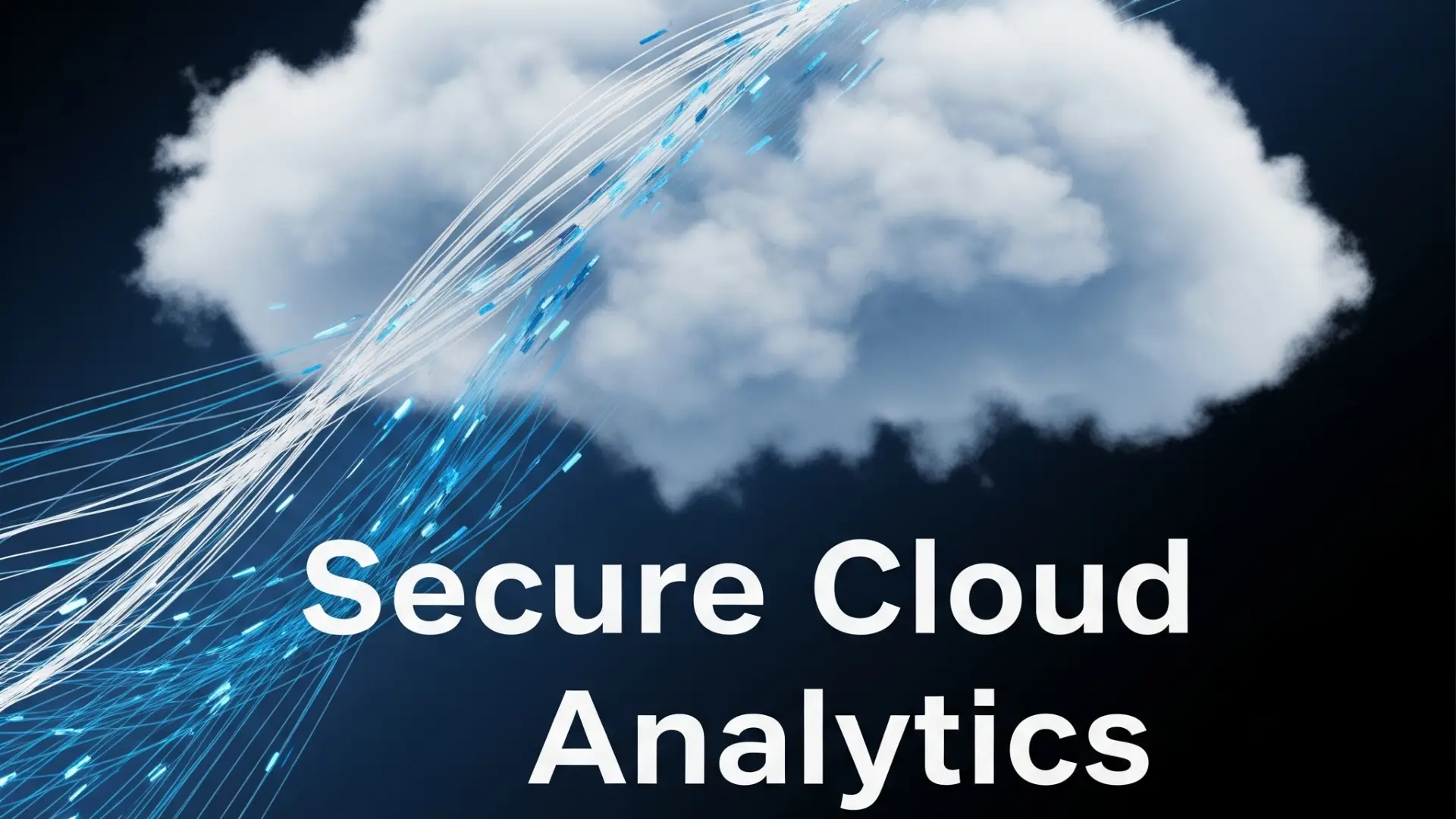
Image Credit: Google Gemini
Have you ever visited a website or an application that seems to know what you want, suggesting products or services that match your interests? This is possible because of a powerful tool known as analytics.
Major companies such as Amazon and Google use advanced cloud-based analytics to process vast amounts of data and uncover meaningful insights. They rely on powerful computing systems and secure online storage, commonly known as the cloud. However, with great data power comes great responsibility, ensuring secure cloud analytics is crucial to protect valuable information from digital threats.
Just like you safeguard your phone or laptop, it is equally important to protect data in the cloud. A breach can cause severe damage to businesses and customers alike. As data expert Clive Humby once said:
“Data is like oil. It is valuable, but if it is not cleaned and guarded, it cannot be used.”
To protect that “digital oil,” businesses must implement the right security practices. Below are five key layers of defense to keep your cloud analytics safe.
Imagine your business data as a treasure chest filled with valuable information. Would you hand the key to a stranger? Of course not.
Access control ensures that only the right people have access to the right data.
What to do:
Why it matters:
As cybersecurity expert Kevin Mitnick said, “The weakest link in the chain is always the human.” Managing access carefully prevents unnecessary exposure and minimizes the risk of unauthorized entry.
Think of encryption as turning your data into a secret message that only someone with the correct key can read. Even if cybercriminals intercept your data, it will appear as unreadable gibberish.
What to do:
Why it matters:
Edward Snowden once noted, “Encryption is the defense against the dark arts in the digital world.” It ensures that even if data is stolen, it remains useless to anyone without the decryption key.
Your cloud network is like a city filled with information. Just as cities need walls and guards, networks need firewalls and security layers to keep intruders out.
What to do:
Why it matters:
“No internet-connected technology is unhackable,” said Abhijit Naskar. While no system is invincible, strong network defenses make breaches extremely difficult and discourage attackers from targeting your infrastructure.
When using services from cloud providers like AWS or Google Cloud, security is a shared responsibility. Providers secure the cloud infrastructure, while users must secure their own data and configurations within it.
What to do:
Why it matters:
Robbie Sinclair once said, “Security is always too much until it is not enough.” Clarity about responsibilities prevents gaps and ensures everyone takes ownership of data protection.
Even with strong locks and firewalls, continuous vigilance is vital. Monitoring helps you detect suspicious or unusual activity before it causes damage.
What to do:
Why it matters:
“Good incident response depends on two things: information and organization.” – Robert Davis. The faster you detect a threat, the quicker you can act to prevent serious consequences.
Continuous monitoring and strong security practices create a reliable safety net for cloud analytics. By adopting these five layers—access control, encryption, network security, shared responsibility, and monitoring—businesses can build a secure cloud analytics framework that fuels growth while keeping data safe.
If you are ready to make your data systems both intelligent and secure, visit Cloudester Software to explore how our experts can help strengthen your cloud analytics infrastructure.

We specialize in creating high-performance web and mobile apps, seamlessly integrating them with your existing systems to enhance user experiences and streamline business operations.
85 Delancey St, New York NY 10002, United States