March 25, 2026

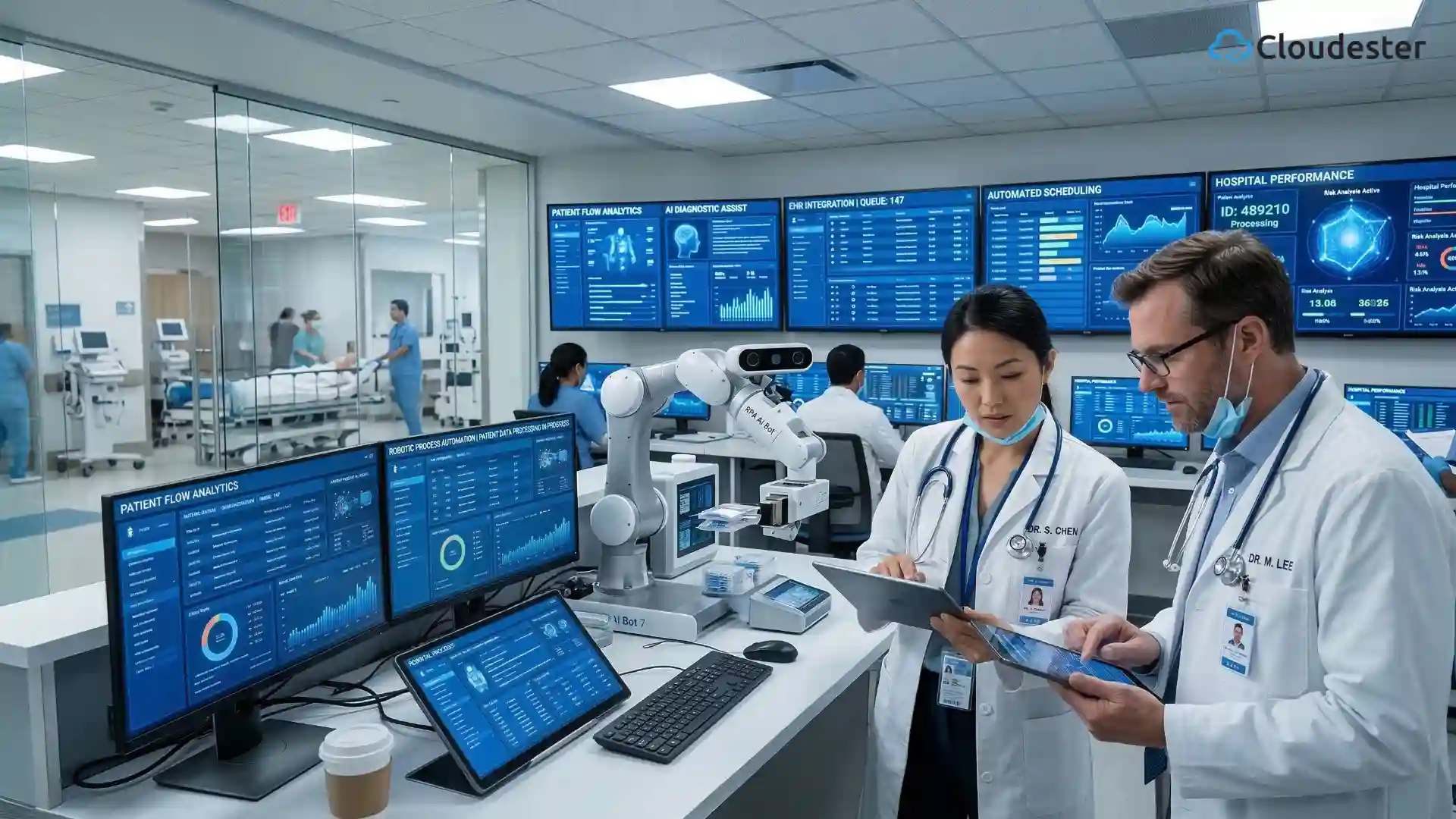
AI Image generated by Gemini
Healthcare organizations are rapidly adopting digital platforms, and the pressure to build HIPAA compliant healthcare systems has never been stronger. With the advent of electronic health records and telehealth systems clinical trial systems, and electronic prescription tools are becoming the norm knowing HIPAA conformance and the way it relates to software development is crucial. HIPAA compliance is among the most popular health technology subjects that users ask what HIPAA compliance means about, what HIPAA is what it means, what it means, how HIPAA security functions and the reason HIPAA compliance with respect to data is important necessity.
This blog focuses on each of these areas thoroughly as well as demonstrating the ways in which Cloudester Software builds HIPAA compliant healthcare platforms for the AQMS, ECTMS and RSMS products.
HIPAA is the acronym for Health Insurance Portability and Accountability Act. It establishes the standard for security, privacy and protection of patient information across all healthcare institutions. There are many searches that reflect the desire for clarity on What exactly is HIPAA, HIPAA law, HIPAA privacy rules as well as HIPAA security. These queries point to an overall trend in which healthcare professionals seek out clear explanations for a confusing regulatory framework.
HIPAA established rules to govern the way Protected Health Information, often called PHI should be treated stored, transmitted, and stored. PHI HIPAA standards are applicable to clinics, hospitals pharmacies, insurance firms, pharmacies as well as any other digital technology that interacts with patient data. Common misspellings such as HIPPA and HIPPA compliance are gaining prominence in the latest search trends, indicating the widespread interest and confusion surrounding the need for HIPAA compliant healthcare systems.
In its essence, HIPAA is designed to safeguard patients. It guarantees that medical records are kept private as well as tamper-proof and only accessible to those who have been authorized. Software platforms implies that compliance must be built within the system, and not added as a last-minute addition.
As systems that are digital become more interconnected, the significance of HIPAA compliance will continue to grow. Healthcare executives look for words such as HIPAA Data Compliance, HIPAA IT Compliance, HIPAA compliance requirements and HIPAA software compliance because they want to know the requirements needed to be compliant with the regulatory standards.
HIPAA compliance encompasses three key areas:
Software HIPAA compliance requires that all three components cooperate.
The HIPAA privacy rule defines the ways in which PHI can be disclosed and used. It also outlines how PHI can be used and disclosed. HIPAA security rule defines how PHI needs to be secured when it is stored electronically. Together, they create an extremely strict set of rules that each healthcare provider must follow.
Healthcare systems that do not conform to HIPAA IT compliance risk significant risks, such as breaches of data as well as financial penalties and losing trust. Because of this, a lot of organisations are seeking HIPAA conformity services as well as HIPAA solutions for compliance when creating or upgrading their digital systems, ensuring they build fully HIPAA compliant healthcare systems.
Knowing about HIPAA security is crucial for anyone who is developing or utilizing healthcare technology. This security standard defines technological procedures to safeguard patient information and the requirements that define the design of software.
Important elements include:
Only authorized users are allowed access PHI Systems must make sure that role-based permissions are enforced.
PHI must be encrypted in both the state of rest and during transmission to ensure that it is not exposed to unauthorized access.
Systems must keep track of the activity logs of users, their actions, as well as historical access to be accountable.
Mechanisms should be in place to ensure the integrity of data or deleted in a way that is not done so.
A strong identity verification is essential to access PHI.
These safeguards form the basis of HIPAA compliance with data and help ensure that the security of healthcare software and secure.
There is a growing for HIPAA security for applications and the software industry is undergoing a transformation to meet HIPAA Compliance, HIPAA IT compliance, and HIPAA compliance demands, it’s evident that the digital healthcare team wants to know how software can be designed to meet the requirements of regulatory agencies.
In order to be compliant, it is necessary:
Importantly, the importance of HIPAA education cannot be overemphasized. Even the most robust software is vulnerable if the individuals handling PHI do not have the proper training to handle it in a responsible manner.
Cloudester Software has become a trusted partner for healthcare institutions that require secure, dependable and adaptable digital solutions. The team specializes on HIPAA compliance services as well as HIPAA compliance solutions throughout the entire lifecycle of software engineering.
Cloudester incorporates industry-standard security techniques and robust encryption frameworks and compliance-related documentation into each healthcare-related project. Additionally, each product is designed to protect the privacy of patient information and conform to HIPAA privacy regulations and HIPAA security standards.
This means that systems do not only comply with regulatory standards when they are first launched, but also stay compliant when they grow.
Cloudester has created four major products for healthcare which demonstrate its commitment to secure and secure technology.
AQMS (Automated Quality Management System)
AQMS ensures that healthcare quality processes are operating within strict compliance limits. It oversees audits, documentation tests, and other workflows, while ensuring PHI security.
ECTMS (Clinical Trial Management System)
ECTMS assists with protocols for clinical trials that need regulatory alignment. It is able to manage trials’ data, research documents, and communications with investigators while safeguarding PHI at every stage.
RSMS (Reference Standard Management System)
RSMS is extensively used in the pharmaceutical industry in which regulatory requirements are extremely strict. Security frameworks that are robust ensure that PHI as well as sensitive reference data are protected.
Cloudester’s capabilities to offer HIPAA certified platforms that are safe and in line with the healthcare standards.
Even with the most robust software protections businesses should spend money on HIPAA security training. Personnel who work with PHI should be aware of their obligations and know how to handle the data properly, and stay alert to security threats.
Training will ensure:
HIPAA training helps ensure compliance and helps ensure that teams remain on track in accordance with HIPAA laws and their ever-changing interpretations.
Healthcare companies benefit from working with experienced teams who provide HIPAA compliance solutions and continuous HIPAA Compliance solutions. Monitoring and monitoring of vulnerabilities periodic audits, and policy updates all help to ensure the long-term HIPAA information compliance.
Cloudester gives you the technical know-how and secure engineering practices and knowledge of the healthcare industry to ensure the security of PHI across processes and systems.
HIPAA compliance is much more than a statutory obligation. It’s a commitment trust and privacy of the patient, as well as organizational trust and top-quality healthcare delivery. Software platforms that manage PHI must be safe and scalable. They must also be aligned with HIPAA privacy rules and HIPAA security requirements.
Cloudester Software develops secure, HIPAA compliant healthcare systems through expert frameworks and healthcare experience. These systems support clinics, hospitals, research teams, pharmaceutical operations, and digital health creators.
With solutions such as AQMS, ECTMS along with RSMS, Cloudester continues to aid the healthcare industry to move towards secure, efficient and patient-focused digital transformation.

We specialize in creating high-performance web and mobile apps, seamlessly integrating them with your existing systems to enhance user experiences and streamline business operations.
85 Delancey St, New York NY 10002, United States